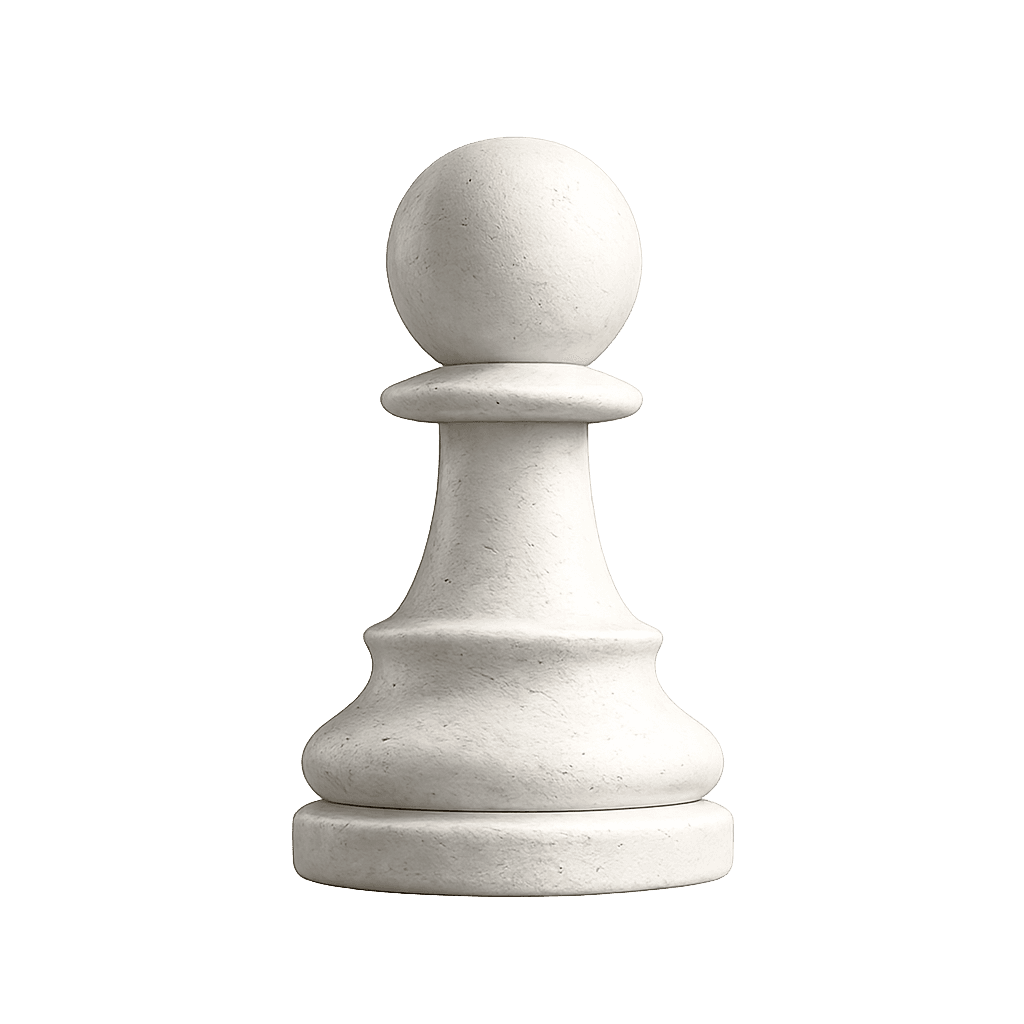

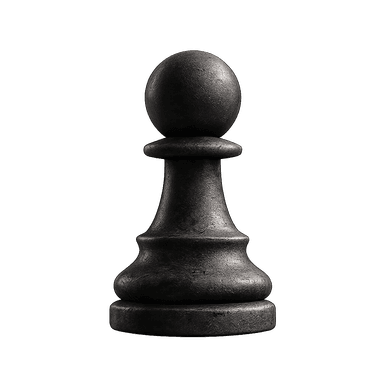
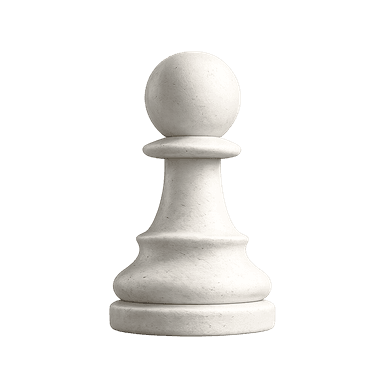
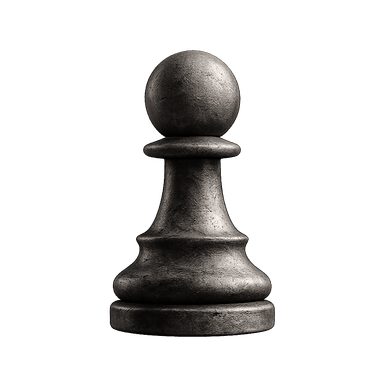
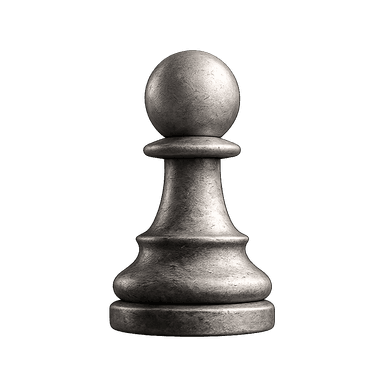
Type I
0x
0 minted
Total earned
$0.00
0 PAWN
A tax on every PAWN trade flows to the treasury and is distributed to all active NFT holders each epoch. The weight rotates across four tiers so that every tier earns an identical total over a complete four-epoch cycle. Holders call claim() within 24 hours of each distribution. Live on-chain data. Polling every 30s.
Epoch #0 · The weight rotates so every tier earns the same over a full 4-epoch cycle. No tier ranks above another.
Type I
0x
0 minted
Total earned
$0.00
0 PAWN
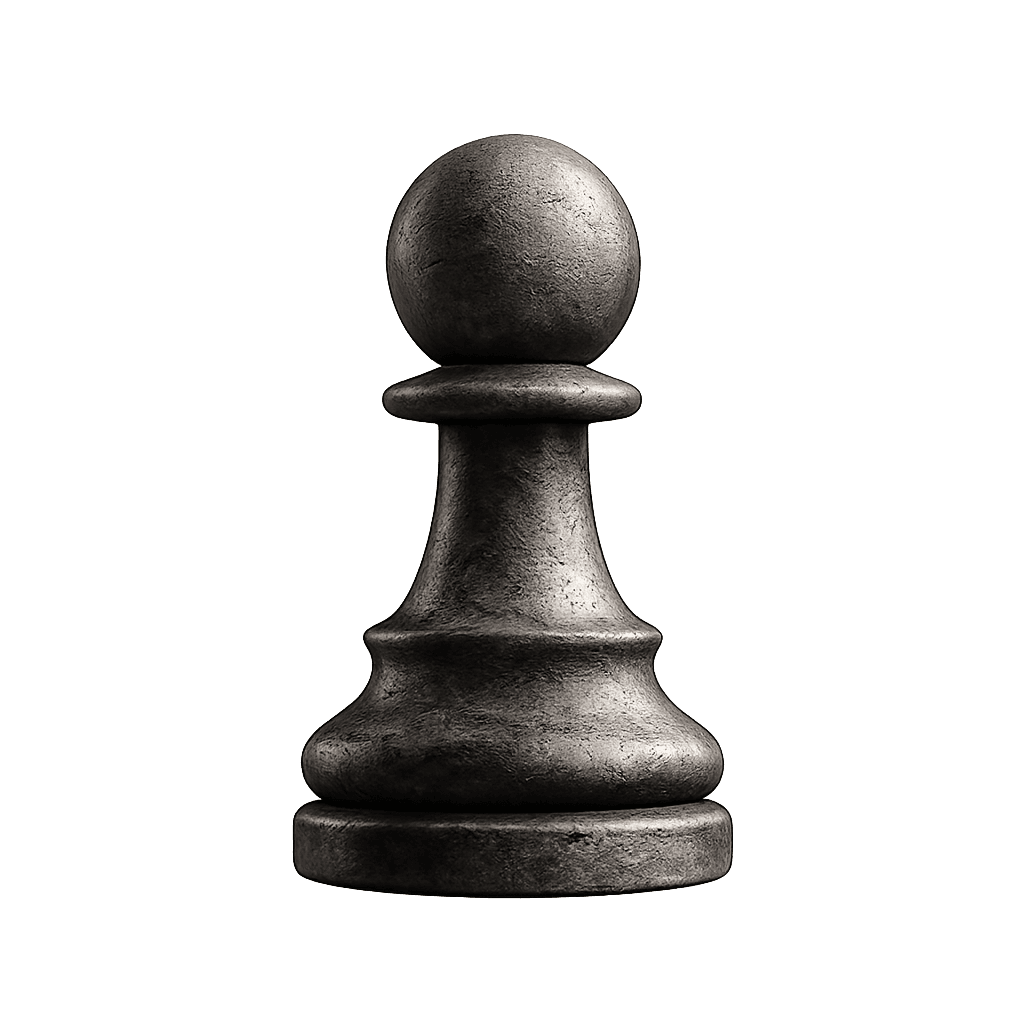
Type II
0.5x
0 minted
Total earned
$0.00
0 PAWN
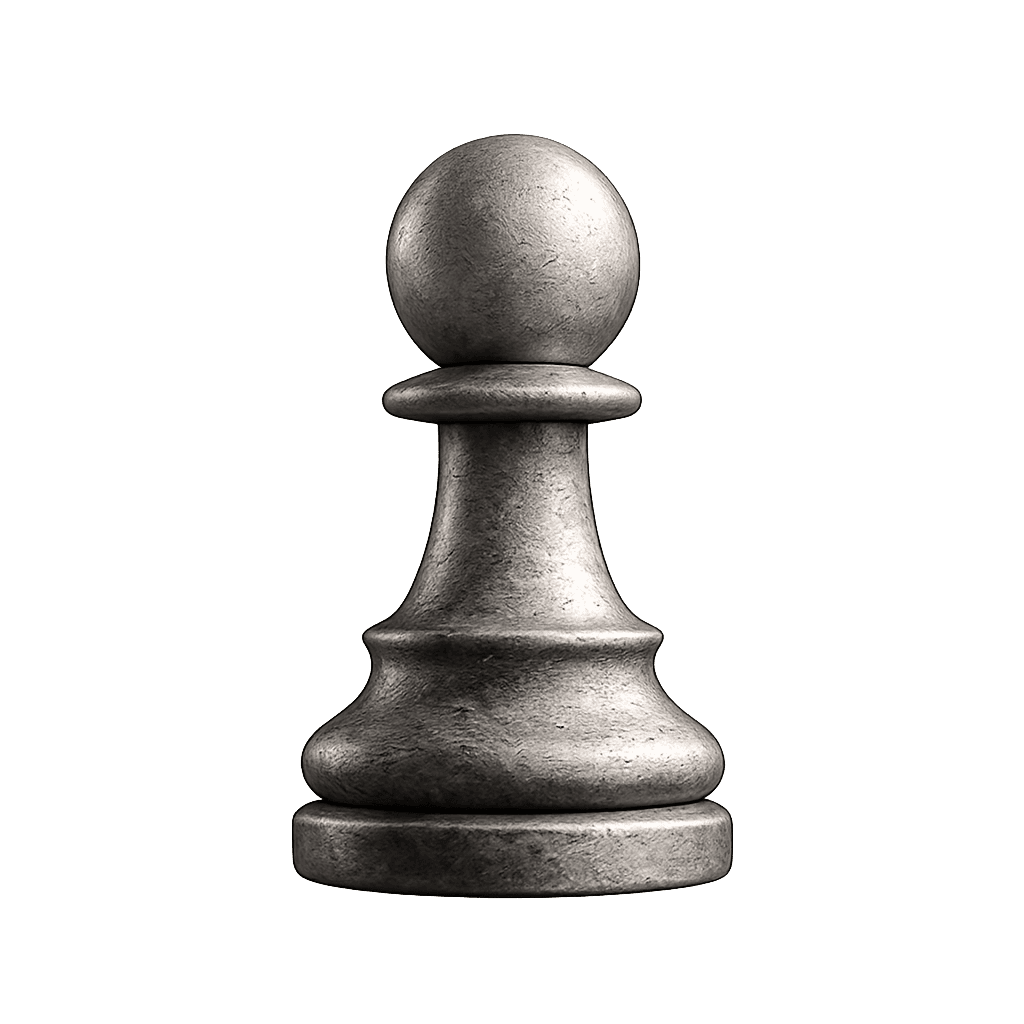
Type III
1x
0 minted
Total earned
$0.00
0 PAWN
Type IV
1.5x
0 minted
Total earned
$0.00
0 PAWN
Tiers are art variants, not ranks. The reward weight shown above rotates each epoch. Across one complete 4-epoch cycle (weights 0, 1, 2, 3) every tier accumulates the same total weight. Long-term, all tiers accrue at the same effective rate. Holders call claim() within 24 hours of each distribution.
Active NFTs
0Total Holders
0Max Supply
2,000The Standard
Four composable on-chain properties, active simultaneously in one contract. Each dimension compounds the last. A single token carries all four at once, so every holder benefits from the full stack from the moment they buy in.
No stacking required. No separate contracts. No migration events. The architecture handles it at the protocol layer.
One asset, two natures. ERC-5D fuses a fungible ERC-20 token with an ERC-404 NFT layer. Buying mints an NFT to your wallet, selling burns it. 2000 NFTs, hard capped, four equal tiers (Tier I, II, III, IV) assigned by deterministic round-robin.
Holding earns. A tax on trades streams back to holders as ETH, alongside a PAWN token stream from the Phalanx reserve. Reward weights (0, 1, 2, 3) rotate across the four tiers every epoch, so over a full four-epoch cycle every tier earns the same total. No ranks, no best tier. Holders call claim() within 24 hours of each distribution.
Every Pawn is a credential. Ownership is the on-chain key to gated mechanics, allowlists, and protocol voting. As the collection grows, the Pawn proves you were there and lets you in.
ERC-5D is built to extend. The four dimensions are the foundation, not the ceiling. New utilities, staking, governance, cross-protocol hooks, additional reward streams plug in as further dimensions over time, with no migration and no holder action required. Four is where it begins.
Documentation
The ERC-5D standard is fully specified on paper: reward math, rotation formulas, and determinism proofs are all laid out in seven pages of rigorous on-chain mechanics.
The Standard
ERC-404 combined ERC-20 fungibility with an embedded NFT layer. ERC-5D takes that foundation and adds tiered identity, a rotating reward engine, and two concurrent on-chain streams.
| Capability | ERC-404 | ERC-5D |
|---|---|---|
Fungible / ERC-20 The token is fully interchangeable — every unit is identical, like currency. | ● | ● |
Non-Fungible / ERC-721 Each token is a unique asset with its own on-chain identity, like a collectible. | ● | ● |
Native AMM liquidity The token can be traded directly on automated market makers like Uniswap without wrapping. | ● | ● |
Fractionalization A single NFT can be split into smaller tradable pieces natively, without external vaults. | Native | Native |
Tiered identity NFTs are assigned one of four tiers (Tier I, II, III, IV) by round-robin at mint time, determining reward weights. | - | ● |
Rotating reward weights Each epoch the reward split between tiers rotates on-chain, keeping incentives dynamic. | - | ● |
Dual reward streams Holders receive two concurrent reward types — ETH and PAWN — from the same contract. | - | ● |
Holder opt-out (SkipPawn) Any holder can opt out of NFT minting to stay as pure fungible tokens, avoiding gas. | - | ● |
Fully on-chain distribution Reward calculation and distribution run entirely on-chain. Distribution requires a trigger transaction (owner or auto-distribute). No oracle required. | - | ● |
Rows with a left edge mark are where ERC-5D adds capabilities absent from ERC-404.
Every component of ERC-5D is on-chain. There is no backend server, no oracle, no keeper, and no off-chain dependency. The protocol runs entirely from smart contract state on Base.
Each whole PAWN token in your wallet corresponds to exactly one embedded NFT. Buying pushes your balance above a threshold and mints. Selling below a threshold burns. The minting and burning are automatic on every transfer.
A Pawn is one unit of the PAWN token. PAWN is a fixed-supply ERC-20 token on Base with a hard cap of 2000 total units. Each whole PAWN you hold also corresponds to one embedded ERC-721 NFT, which participates in the rotating reward system. There is no mint function: the 2000 supply is the permanent, final supply.
ERC-5D is the marketing label for the token standard implemented in PAWN. It extends the ERC-404 concept with two additional dimensions: Access (on-chain credential) and Open (extensible architecture). Four dimensions total: Hybrid, Rewards, Access, and Open.
At the close of each four-hour epoch, the Treasury contract distributes two reward streams to all qualifying NFT holders: ETH accumulated from trading activity, and PAWN tokens from the Phalanx reserve. Your share is proportional to the number of NFTs you hold, weighted by the current epoch's tier weight. After distribution, you have a 24-hour window to call claim() and receive your rewards on-chain. Rewards do not auto-pay.
The four NFT tiers are Tier I, Tier II, Tier III, and Tier IV. Tier assignment happens via round-robin at NFT mint time. The tier you receive depends on which slot is next in the global counter, not on any payment or selection. The tier determines your reward weight in each epoch through the rotation schedule.
Reward rotation is the mechanism that ensures long-term fairness across all four tiers. Each epoch, the relative weights 0, 1, 2, and 3 are assigned to the four tiers in a shifting sequence. After four epochs, every tier has received every weight exactly once. The total weight accumulated across one full cycle is identical for all tiers, regardless of which tier you hold.
An epoch is a fixed time period of four hours. It is the fundamental unit of the reward cycle. At the close of each epoch, a trigger transaction distributes the ETH and PAWN that accumulated to all eligible NFT holders. Distribution requires the owner to call distributeEpoch(), or auto-distribute mode to be enabled.
After an epoch is distributed, connect your wallet to the app at /app. If you hold NFTs and have pending rewards in the current claim window, the Claim Rewards button will be active. Clicking it sends a claim() transaction to the Treasury contract, which settles all unclaimed in-window epochs in a single call. The 24-hour window per epoch means you should claim at least once per day.
SkipPawn is a holder-controlled opt-out from the NFT layer. If you prefer to hold PAWN as a pure ERC-20 token without NFTs minting or burning on balance changes, you can call skipPawn(true) on-chain. The contract settles your accrued rewards first (no expiry on those balances), then burns your NFTs. While opted out, balance changes do not trigger NFT mints or burns, and you do not participate in epoch rewards. You can opt back in at any time by calling skipPawn(false).
Yes. PAWN has a total supply of exactly 2000 tokens, hard capped. There is no mint function anywhere in the codebase. No new PAWN can ever be created. The 2000 unit supply is final and immutable from the moment of deployment.
PAWN is traded on Uniswap V2 on Base. The liquidity pool is seeded at launch and the pair address is publicly visible on-chain. Standard ERC-20 approvals and Uniswap router calls are used for all trades.
Core mechanics require no off-chain scheduler for claims or NFT activity. Epoch distribution does need a trigger transaction: either the owner calls distributeEpoch() or auto-distribute mode fires automatically on sell-triggered tax swaps. There is no keeper, oracle, or backend server driving on-chain state.
Phalanx is the on-chain PAWN reserve held inside the Treasury contract (phalanxReserve). The owner seeds it via feedPhalanx() and sets a flat emission rate via setPhalanxEmission(). Each epoch distributes that fixed amount of PAWN to NFT holders. The rate does not decay automatically. The remaining balance is readable on-chain at any time.
Every mechanic (epochs, tiers, rotation, reward streams, SkipPawn, and the on-chain accounting model) is documented in full. No hand-waving, no missing steps.